A roof replacement usually becomes real the moment a ceiling stain spreads, shingles start disappearing after a storm, or an inspection report confirms what you were hoping to avoid. This residential roof replacement guide is built for property owners who need straight answers – not sales talk – about when to replace, what to expect, and how to make a sound decision.
In South Florida, roof problems tend to move faster than owners expect. Heat, heavy rain, salt air, humidity, and storm exposure put more stress on roofing systems than many people realize. A roof that looks acceptable from the ground can still be nearing the end of its service life, especially if underlayment, flashing, or decking has started to fail.
When roof replacement makes more sense than repair
Not every roofing problem calls for a full replacement. A well-executed repair can be the right move when damage is isolated, the roof still has useful life left, and the existing system is in generally solid condition. If a few shingles have lifted, one section of flashing has failed, or a minor leak is tied to a specific detail, repair may be the practical choice.
Replacement becomes the better investment when issues are widespread or recurring. Multiple leaks, soft decking, storm damage across several slopes, chronic patchwork, and roofs nearing the end of their expected life often point in that direction. If repairs keep stacking up but the system continues to deteriorate, you may be spending money without improving long-term protection.
Age matters, but age alone does not decide the issue. Installation quality, ventilation, maintenance history, and material type all affect service life. A roof installed poorly can fail early. A roof installed correctly and maintained properly may last longer than expected. That is why a professional inspection matters before committing to either option.
What a residential roof replacement guide should help you evaluate
The best decisions usually come from looking at the whole roof system, not just the visible surface. Homeowners often focus on shingles, tile, or metal panels, but performance also depends on underlayment, flashing, fasteners, drainage details, and the condition of the deck underneath.
The first question is structural and practical: is the current roof still protecting the home reliably? The second is financial: does it make sense to keep repairing it? The third is logistical: if replacement is needed, what material and installation approach fit the home, budget, and local code requirements?
A good contractor should walk you through those questions in plain terms. You should understand what is failing, where the vulnerabilities are, and whether those problems are isolated or systemic. If the explanation is vague, that is a reason to slow down.
Common signs your roof may be ready for replacement
Leaks are the obvious warning sign, but they are not the only one. Water intrusion can start long before it shows up inside the house. Stained ceilings, peeling paint near roof lines, mildew in the attic, and warped fascia can all point to roofing issues.
From the exterior, missing shingles, cracked or slipped tiles, rusting metal components, granule loss, and sagging areas deserve attention. On flat or low-slope sections, standing water and surface blistering are both red flags. If you are seeing repeated repairs in different areas over a short period, the roof may be telling you it is wearing out as a system.
Storm exposure changes the timeline. After strong wind or heavy rain, even a roof that seemed serviceable can develop damage around ridges, penetrations, valleys, and edges. In coastal areas, those vulnerable details often fail before the field of the roof does.
Choosing the right roofing material for your home
Material selection is where cost, appearance, and performance meet. There is no one-size-fits-all answer. The right roof depends on the home design, local code requirements, exposure conditions, and how long you plan to keep the property.
Asphalt shingles are a common choice because they are generally more affordable upfront and available in many styles. They can perform well when installed correctly, but they may not offer the same lifespan as more premium systems in a harsh coastal climate.
Tile remains popular on many South Florida homes for both appearance and durability. Concrete and clay tile can hold up well, but the roof structure has to support the weight, and repairs can become more specialized. Tile also depends heavily on the quality of the underlayment beneath it, which is often where aging problems begin.
Metal roofing appeals to owners looking for long service life, durability, and a cleaner modern look. It can be an excellent option in high-exposure environments, but installation details matter. Poor fastening, bad flashing work, or shortcuts around penetrations can undermine a material that should otherwise perform very well.
Flat and low-slope systems need a different conversation altogether. Drainage, seams, edge details, and insulation strategy all matter. What works on a steep-slope shingle roof does not apply the same way on a low-slope section.
Cost expectations and what affects price
Homeowners understandably want a number first, but roof replacement pricing depends on more than square footage. Material type is a major factor, but so are roof complexity, tear-off requirements, deck repairs, permit costs, access to the property, and the amount of detail work around chimneys, skylights, valleys, and transitions.
A simple roof with easy access and minimal repairs will cost less than a complex roof with multiple elevations and damaged decking. Premium materials also raise the initial investment, though they may reduce lifecycle costs if they last longer and perform better.
The cheapest estimate is not always the best value. If one proposal leaves out code upgrades, disposal, flashing replacement, or permit handling, the final cost may rise later. A clear scope of work matters as much as the price itself.
Permits, code compliance, and why local experience matters
Roof replacement is not a casual home improvement project. In many cases, permits, inspections, and code requirements are part of the process. That is especially true in places where wind uplift standards and storm-related building rules are strict.
A contractor should know how local requirements affect material selection, fastening patterns, underlayment installation, and inspection scheduling. If permit questions are brushed aside, that is a problem. Proper paperwork and code-compliant installation protect more than the roof. They protect your home value, insurability, and peace of mind.
In areas like Miami-Dade County and the Florida Keys, that local knowledge is not a bonus. It is part of doing the job right.
What to expect during the replacement process
Most homeowners want to know two things before work starts: how long it will take and how disruptive it will be. The answer depends on the size and complexity of the roof, weather conditions, and whether hidden damage is uncovered after tear-off.
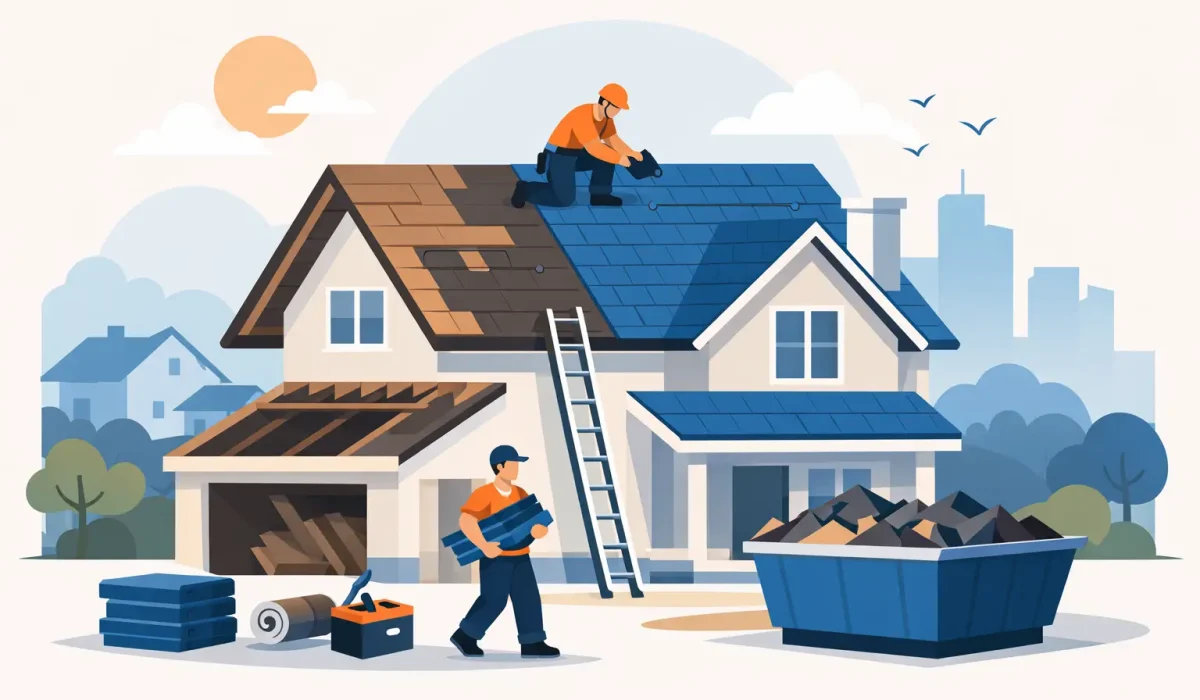
The process usually starts with protecting the property, removing the old roofing, and inspecting the deck. If damaged wood is found, it should be replaced before the new system goes on. From there, the crew installs underlayment, flashing, and the finished roofing material according to manufacturer specifications and code requirements.
Noise, debris, and active work zones are part of the process. A professional crew should keep the site organized, protect landscaping where possible, and communicate clearly if conditions change the scope or schedule. Homeowners do not need perfection during construction, but they do need accountability.
How to choose the right roofing contractor
Credentials matter. Your contractor should be licensed, insured, experienced with the roofing system you are considering, and able to explain the scope of work clearly. That sounds basic, but it is where many costly mistakes begin.
Ask how the roof will be installed, who handles permits, what warranty coverage applies, and how unforeseen deck damage is addressed. Look for direct answers. A dependable contractor does not avoid hard conversations about cost, timing, or jobsite realities.
It also helps to work with a company that understands the region and has a long record of service. Bob Hilson & Company, Inc. has worked with South Florida property owners for decades, and that kind of continuity matters when you are making a major investment in your home.
A smart replacement is about more than a new surface
A new roof should not be viewed as just another expense line. It is part of how your home stands up to weather, moisture, and time. When replacement is handled correctly, you are not simply changing materials on top of the house. You are restoring protection to the entire structure.
That is why the right approach is rarely rushed. Get the roof inspected carefully, ask direct questions, compare scope as well as price, and choose materials that fit both the property and the climate. A good roof replacement should leave you with fewer surprises, better protection, and confidence every time the weather turns.