A small ceiling stain rarely stays small for long. In South Florida, a minor roof issue can turn into interior water damage, insulation problems, mold growth, and costly structural repairs faster than many property owners expect. That is why a professional roof inspection matters. It gives you a clear picture of your roof’s condition before weather, age, and moisture turn a manageable repair into a larger project.
Why a roof inspection matters in South Florida
Roofs in Miami-Dade and the Florida Keys take a beating. Heat, UV exposure, wind-driven rain, salt air, humidity, and hurricane season all shorten the margin for error. A roofing system may still look acceptable from the ground while hidden problems are already developing around flashings, seams, penetrations, underlayment, or drainage points.
A proper roof inspection is not just about spotting obvious leaks. It is about evaluating the parts of the system that protect the building as a whole. For homeowners, that means protecting drywall, framing, flooring, and personal property. For commercial owners and property managers, it also means limiting tenant disruption, avoiding emergency repairs, and keeping maintenance costs under control.
There is also a timing issue. When damage is found early, you usually have more options. In some cases, a targeted repair or maintenance service is enough. If problems are allowed to continue, the repair area often grows, and the conversation may shift from repair to replacement sooner than expected.
When to schedule a roof inspection
Many property owners wait until they see a leak. That is understandable, but it is not the best approach. A leak usually means water has already moved past the outer roofing surface and into areas you cannot see.
A roof inspection makes sense after a major storm, when you are buying or selling a property, if your roof is showing signs of age, or if you have noticed interior warning signs such as stains, peeling paint, musty odors, or unexplained moisture. It is also a smart step before hurricane season and after it ends, especially for buildings exposed to open wind or coastal conditions.
Age matters too. Even a well-installed roof needs periodic evaluation as materials expand, contract, and weather over time. The older the roof, the less room there is for deferred maintenance. That does not automatically mean replacement is necessary, but it does mean you should not guess.
What a professional roof inspection includes
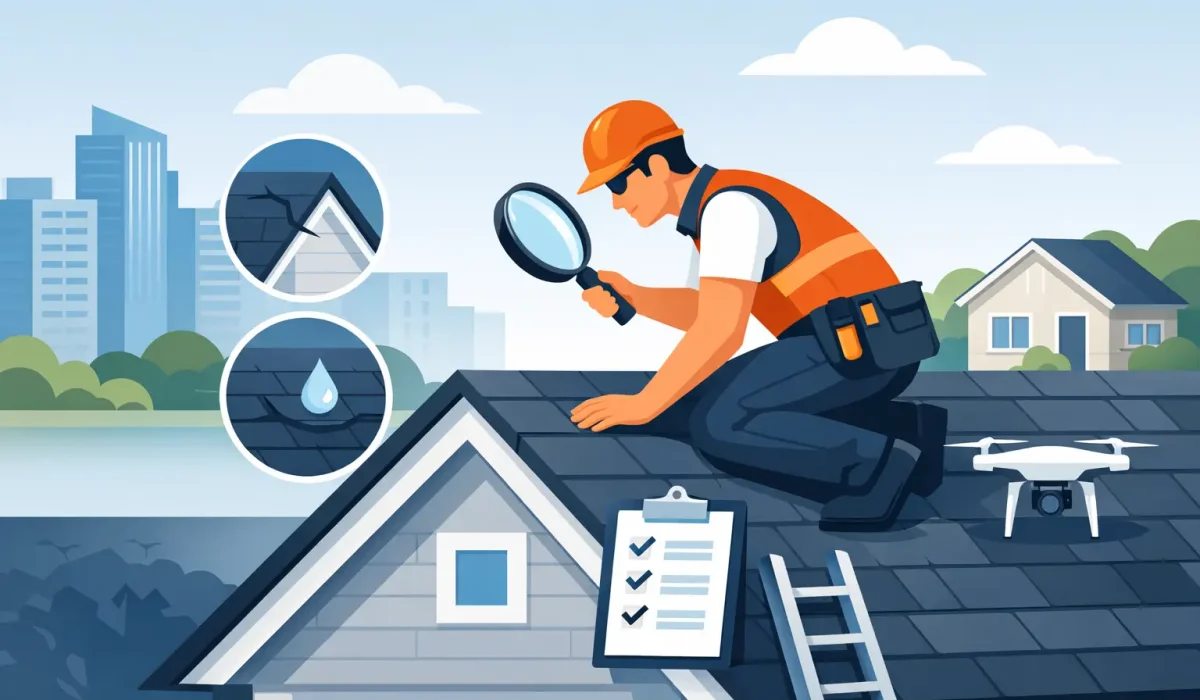
A real inspection goes beyond a quick look from the ladder. The goal is to assess the roof system, not just the most visible surface areas.
Exterior condition and roofing materials
The inspector checks the overall condition of the field of the roof and looks for material-specific issues. On shingle roofs, that may include missing, cracked, lifted, or worn shingles. On tile roofs, it can mean broken or displaced tiles and signs of underlayment failure. On flat or low-slope systems, the focus often includes ponding water, membrane wear, open seams, punctures, blisters, or deteriorated coatings.
Metal roofs bring a different set of concerns, such as fastener issues, panel movement, corrosion, and flashing separation. The right inspection depends on the roofing system in place. That is one reason experience across multiple roof types matters.
Flashings, penetrations, and edges
Leaks often start at transitions rather than open field areas. Flashings around vents, skylights, curbs, walls, chimneys, and mechanical units are common failure points. The same goes for drip edges, valleys, coping, and parapet details.
These areas expand and contract, collect water, and take stress during high winds. If they are loose, corroded, cracked, or poorly sealed, they can allow water intrusion even when the main roofing material still looks serviceable.
Drainage and water movement
South Florida roofs need to move water off the building efficiently. During a roof inspection, drainage is a major concern. Gutters, scuppers, drains, downspouts, and roof slope all affect performance.
If water is slowing down, backing up, or collecting in low areas, the roof is under extra stress. Standing water does not always mean immediate failure, but it is never something to ignore. Over time, poor drainage contributes to material breakdown, seam problems, deck deterioration, and leaks.
Decking, structure, and interior signs
An inspection may also involve checking for signs that moisture has affected the roof deck or supporting components. Soft spots, sagging, staining, or evidence of recurring leaks can point to deeper issues.
From inside the property, attic spaces, ceilings, and upper walls often provide clues. Discoloration, mildew smells, wet insulation, and peeling finishes can reveal active or past water intrusion. In commercial buildings, inspectors may also look for signs around rooftop equipment and ceiling systems below.
What property owners should expect after the inspection
The most useful inspection is one that leads to a practical recommendation. Sometimes the answer is straightforward: make a repair now to prevent further damage. In other cases, the roof may still have useful life left, but it needs maintenance and monitoring. And sometimes the inspection shows that repairs would only postpone a larger problem.
This is where honesty matters. Not every aging roof needs to be replaced immediately, but not every leak can be solved with a patch either. The right recommendation depends on the roof’s age, condition, construction type, repair history, and how widespread the damage is.
For property owners, the value is clarity. You need to know what is urgent, what can be planned, and what the likely cost path looks like if action is delayed.
Roof inspection findings that should not wait
Some issues deserve prompt attention because they tend to worsen quickly in our climate. Active leaks are one. Wind damage is another, especially if materials have lifted and created openings for rain. Damaged flashing, rotted decking, and persistent ponding on low-slope roofs also move into the high-priority category.
If moisture is already entering wall assemblies or attic spaces, the problem is no longer limited to the roof. At that point, there is potential for mold, wood deterioration, and electrical risk. Waiting usually increases both repair scope and cost.
On commercial properties, delay can also affect operations. Water intrusion above offices, retail areas, common spaces, or tenant units can create liability and disrupt business. A timely inspection helps owners and managers stay ahead of that.
Why local experience matters
A roof inspection in South Florida is not the same as one in a milder climate. Coastal exposure, local building code requirements, storm readiness, and roofing system performance under high heat and humidity all shape what an inspector needs to recognize.
This is especially important when evaluating older roofs, insurance-related concerns, and systems that have been repaired multiple times over the years. You want a contractor who understands how roofs age in this region and how local conditions affect both short-term repairs and long-term replacement planning.
That practical knowledge also matters when the next step involves permits, code compliance, or matching repairs to the existing system. A good inspection should help you move forward with fewer surprises.
Choosing the right contractor for a roof inspection
Not all inspections are equal. You want a licensed and insured roofing contractor with experience on the type of roof you actually have. The ability to inspect tile, shingle, metal, flat, and commercial systems is not interchangeable. Neither is the ability to identify whether the issue is cosmetic, repairable, or a sign of system-wide failure.
It also helps to work with a company that understands the full life cycle of roofing work, from inspection and maintenance to repair and replacement. That way, the recommendation is grounded in real-world construction knowledge rather than guesswork.
For property owners in Miami and surrounding areas, this is where a long-established local contractor can make a difference. Bob Hilson & Company, Inc. has worked on residential and commercial roofs across demanding South Florida conditions for decades, and that kind of experience shows up in the details.
A roof inspection is cheaper than uncertainty
Most roof problems do not improve with time. They get worse, spread wider, and become more expensive to correct. A professional roof inspection gives you facts instead of assumptions. It tells you whether your roof is holding up, where the weak points are, and what action makes sense now.
If you own a home, manage a building, or oversee a commercial property, the best time to inspect a roof is before the next storm tests it for you. A careful look today can save a much harder conversation later.