A roof in South Florida already works hard. It takes direct sun, heavy rain, salt air, and hurricane-season stress year after year. If you are considering solar roofing options for homeowners, the right choice is not just about energy savings. It is about how that system performs on your specific roof, how it holds up over time, and whether the installation makes sense for your budget and local code requirements.
For many homeowners, solar sounds straightforward until the real questions start. Do standard panels make more sense than solar shingles? Is your current roof in good enough shape to support a solar investment? Will the system affect maintenance, insurance, or future repairs? Those are the questions worth answering before you sign a contract.
Understanding solar roofing options for homeowners
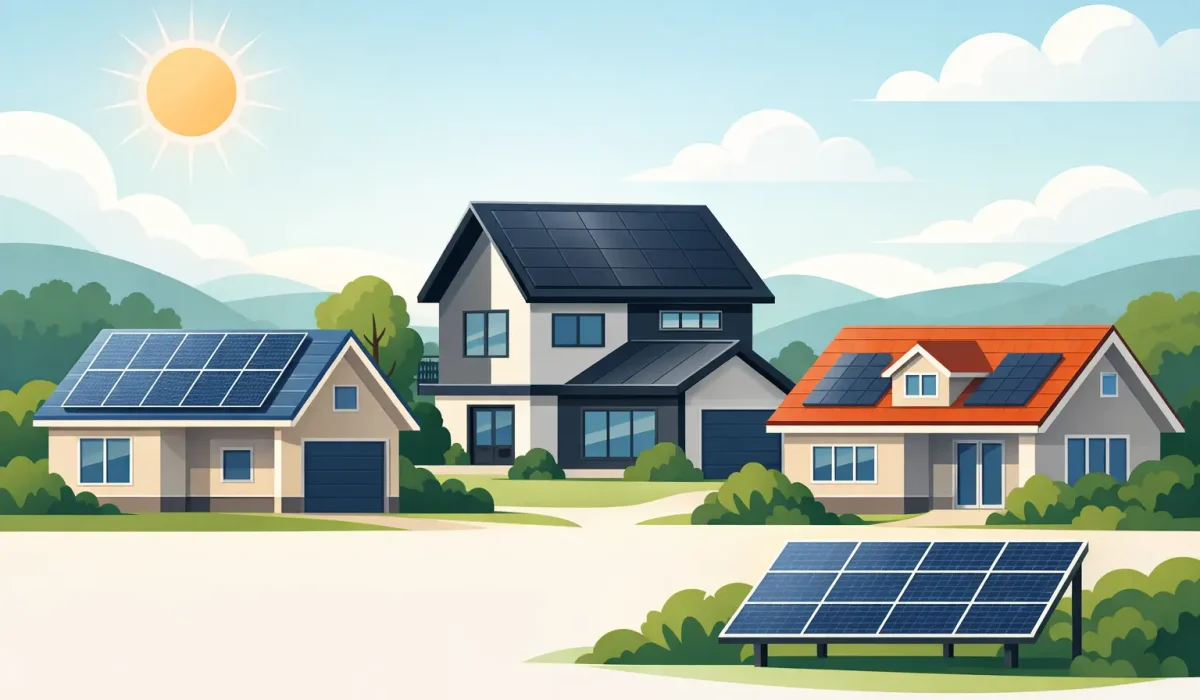
Most residential solar projects fall into two categories. The first is traditional solar panels mounted over an existing roofing system. The second is an integrated solar roof product, often called solar shingles or solar tiles, where the energy-producing material becomes part of the roof itself.
Both can work well, but they solve different problems. Mounted panels are usually the more familiar option and, in many cases, the more cost-effective one. Integrated solar products appeal to homeowners who want a cleaner appearance or are already planning a full roof replacement.
The right fit depends on roof age, roof type, structural condition, home design, and how long you plan to stay in the property. In a market like Miami-Dade and the Keys, storm resistance and proper installation matter just as much as power production.
Traditional solar panels on an existing roof
Mounted photovoltaic panels are still the most common choice for residential solar. They are installed on racking systems that attach to the roof structure, usually over shingle, tile, metal, or flat roofing systems depending on the home.
The main advantage is value. Standard panels typically produce strong output at a lower cost per watt than integrated solar roofing products. They also give homeowners more flexibility in system size. If your electric bill is high and your roof has good sun exposure, mounted panels can be an efficient way to offset energy use.
That said, roof condition is a serious factor. If the roof is already near the end of its service life, installing panels first can create an expensive problem later. Removing and reinstalling a solar array so the roof can be replaced adds cost and complexity. In many cases, it makes more sense to address roofing needs before the solar installation begins.
Appearance is another trade-off. Some homeowners do not mind the look of mounted panels. Others want a lower-profile result, especially on visible roof slopes. There is no universal answer here. It comes down to priorities.
Solar shingles and solar tiles
Solar shingles and solar tiles are designed to function as both roofing material and solar energy system. They sit closer to the roofline and create a more integrated appearance than rack-mounted panels.
For homeowners replacing an older roof anyway, this option can be attractive. Instead of installing a new conventional roof and then adding panels above it, you combine the roofing and energy functions into one project. On the right home, that can provide a cleaner finished look.
The trade-off is usually cost. Integrated solar roofs often come with a higher upfront price than traditional panels. Repair and replacement planning can also be more specialized, since not every roofer handles these systems and not every solar contractor understands roofing well enough to do the job correctly.
This is where experience matters. A roof is not just a platform for solar equipment. It is your home’s first defense against water intrusion and storm damage. If a contractor treats the roofing portion like an afterthought, the long-term risk goes up.
Which solar roof option fits your home?
There is no single best answer for every property. A newer roof with good remaining life may be a strong candidate for mounted panels. An aging roof that already needs replacement may be better suited for a coordinated reroof and solar plan, whether that means a new conventional roof with panels or an integrated solar roofing system.
Roof shape matters too. Large, simple roof planes usually make solar design easier and more productive. Complex rooflines with multiple hips, dormers, shaded sections, or equipment on the roof can reduce usable space. Orientation matters, but in Florida, strong sunlight still gives many homes workable solar potential even when the layout is not perfect.
Material matters as well. Metal roofs can be very solar-friendly in the right configuration. Tile roofs require careful handling and proper attachment details. Flat roofs often allow good positioning, but drainage and penetrations must be managed correctly. Every roof system needs a method that protects waterproofing integrity.
Cost, savings, and realistic expectations
Homeowners naturally want to know if solar will pay for itself. The honest answer is that it depends on the system cost, your electricity rates, available incentives, your roof condition, and how much power your home uses.
Mounted panel systems are often the more economical starting point. Solar shingles and tiles can make sense when aesthetics are a high priority or when they are part of a larger roof replacement decision. But if the goal is simply maximum energy production for the lowest cost, traditional panels usually have the edge.
It is also worth staying realistic about the timeline for return on investment. Solar is a long-term property improvement, not a quick fix. A well-designed system can reduce utility costs and add value, but the strongest results usually come when the roof and the solar plan are evaluated together.
Financing can help homeowners move forward, but monthly payment terms should be weighed carefully against projected savings. A low upfront cost does not always mean the best long-term value.
Roofing condition comes first
One of the most common mistakes homeowners make is choosing a solar system before getting the roof evaluated. That can backfire fast. If the deck, underlayment, flashing, or roofing surface is already compromised, solar will not solve the underlying issue.
Before any solar installation, the roof should be inspected for age, drainage performance, storm wear, soft decking, active leaks, and remaining service life. In coastal climates, corrosion resistance and fastening methods deserve close attention as well.
For homeowners in South Florida, code compliance is not optional. Wind uplift requirements, permit procedures, and proper attachment details all matter. A solar project that ignores local roofing realities can create expensive problems that show up during the next major storm.
Choosing the right contractor team
Solar roofing projects work best when roofing and solar expertise are aligned. That does not always happen. Some companies know solar but have limited roofing experience. Others know roofing but outsource the solar portion without enough coordination.
Homeowners should ask direct questions. Who is responsible for roof penetrations? Who handles permits and inspections? What happens if the roof needs repair later? How is waterproofing protected around attachment points? If you are considering solar shingles, who services both the roofing product and the power system?
A dependable contractor should be comfortable answering those questions clearly. You want a team that understands structure, weather exposure, code, and long-term roof performance, not just the sales side of solar.
That is especially true in places like Miami and the Florida Keys, where roofing decisions are shaped by heat, humidity, storm exposure, and stricter installation demands. Companies with deep local roofing experience, including firms like Bob Hilson & Company, Inc., bring practical value because they understand that the roof system has to perform long after the installation crew leaves.
Solar roofing options for homeowners with storm concerns
Storm resilience should be part of the conversation from the beginning. Homeowners often focus on production estimates and overlook the simple fact that all rooftop equipment has to survive real weather.
That does not mean solar is a bad fit for coastal homes. It means the design, products, and installation details need to be right. Attachment strength, flashing quality, corrosion-resistant components, and manufacturer guidelines all matter. So does roof condition below the solar system.
If a home has a history of leaks, ponding water, or roof movement, those issues should be addressed before solar is added. Good workmanship is what makes the difference between a smart upgrade and a future repair headache.
Making the decision with confidence
If you are comparing solar roofing options for homeowners, start with the roof you have, not the brochure you were handed. A newer roof in solid condition may pair well with mounted panels. A home due for replacement may justify a broader reroof and solar strategy. If appearance matters most, integrated products may be worth the premium. If budget and output matter most, traditional panels are often the stronger choice.
The smartest projects are the ones built on clear priorities – roof life, energy goals, storm readiness, and realistic cost expectations. When those pieces are evaluated together, solar becomes a practical home improvement instead of a guessing game.
A good roof should protect your home first and support your investment second. If solar is part of your plan, make sure both parts of that equation are treated with the same level of care.