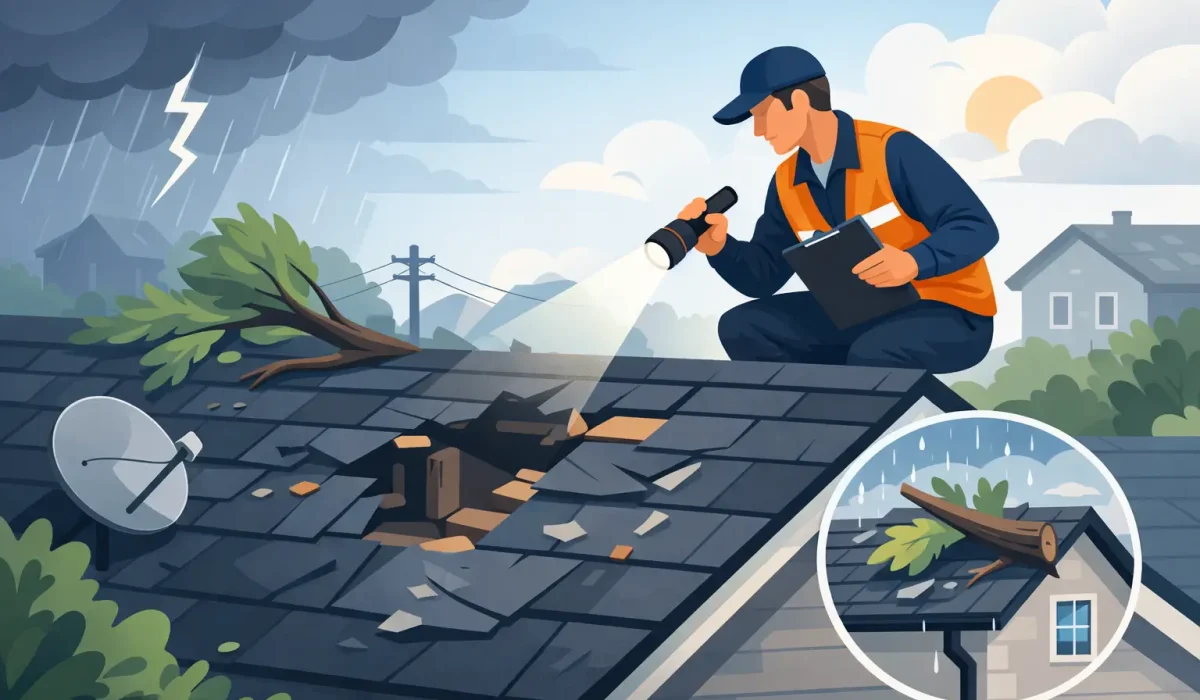
The morning after a strong South Florida storm, a roof can look fine from the driveway and still have real damage. That is why a roof inspection after storm damage should happen early, before a small problem turns into interior water damage, insulation loss, mold, or structural decay. In Miami and other coastal areas, wind-driven rain, flying debris, and repeated storm exposure can loosen materials in ways that are not obvious until the next downpour.
Storm damage is not always dramatic. Sometimes it is a missing shingle or a cracked tile. Other times it is lifted flashing, punctures around rooftop equipment, displaced underlayment, or water intrusion that has already started moving below the surface. Waiting to see a ceiling stain before taking action usually means the roof issue has had time to spread.
Why a roof inspection after storm damage matters
A timely inspection does two things. First, it helps protect the building from further damage. Second, it gives you a clear, documented understanding of what happened, what needs attention now, and what can be monitored.
For homeowners, that can mean the difference between a focused repair and a much larger restoration project. For commercial property owners and managers, it can mean avoiding tenant complaints, business interruption, damaged inventory, and code-related complications. The longer storm damage sits, the less predictable the repair becomes.
South Florida roofs also deal with more than one weather event at a time. Wind, heavy rain, heat, humidity, and salt exposure all work together. A storm may not destroy a roofing system in one shot, but it can weaken an already stressed area enough to create a leak path. That is one reason experienced inspection matters. The goal is not just to spot obvious damage. It is to understand how the roof system performed and where it may have been compromised.
What a storm-damage roof inspection should look for
A proper inspection is more than a quick glance at the ridge line. Different roofing systems fail in different ways, so the inspection should match the roof type and the building conditions.
On shingle roofs, inspectors look for creased, torn, lifted, or missing shingles, damaged ridge caps, exposed fasteners, and soft spots that may signal trapped moisture. On tile roofs, the concern may be cracked or displaced tiles, broken mortar, underlayment exposure, and impact points from debris. On metal roofs, inspectors check panel movement, loose fasteners, failed seams, flashing separation, and signs that water may be entering around penetrations.
Flat and low-slope roofing systems need a different approach. Ponding, membrane punctures, open seams, blistering, displaced edge metal, and drainage issues are common storm-related concerns. On commercial buildings, rooftop units, curbs, skylights, and service penetrations often become weak points during high wind and heavy rain.
The inspection should also include the details around the roof, not just the field of the roof itself. Flashings, valleys, vents, skylights, parapet walls, gutters, and soffit or fascia areas often show the first signs of failure. In many storm cases, the leak source is not where the water shows up inside.
What property owners should do before the inspector arrives
Start from the ground. If it is safe, walk the property and look for visible signs of trouble such as roofing material in the yard, bent gutters, fallen branches, impact marks, or water around the base of the building. Inside, check ceilings, upper walls, attic spaces, and around windows or light fixtures for staining, drips, or damp odors.
Take photos of anything you notice, even if it seems minor. That documentation can help establish a timeline and support repair planning. If water is actively entering the building, move valuables and take reasonable steps to protect interior finishes and contents.
What you should not do is climb onto the roof yourself after a storm. Wet surfaces, hidden damage, and unstable materials create real risk. Tile, metal, and low-slope roofs can all be dangerous under post-storm conditions, especially when damage is not immediately visible underfoot.
Why experience matters more after a storm
Storm inspections are not just about identifying damage. They are about separating cosmetic issues from functional failure and understanding what repairs will actually hold up in the local climate. That takes experience with multiple roofing systems, familiarity with Florida code requirements, and an understanding of how wind and water behave on real buildings.
This is especially important when a roof already has some age on it. A newer roof with limited storm damage may be a straightforward repair. An older roof may have storm-related failures layered on top of wear, UV exposure, past repairs, or moisture deterioration. In those cases, the right recommendation depends on condition, code, and long-term value, not just the most affordable short-term patch.
A no-nonsense contractor will tell you when a repair makes sense and when it does not. That kind of honesty matters. Property owners do not need guesswork after a storm. They need a clear assessment and a smart path forward.
Repair or replacement depends on more than the visible damage
One of the most common questions after a storm is whether the roof can be repaired or needs to be replaced. The answer depends on several factors, including roof type, age, extent of damage, availability of matching materials, and whether the system still has enough integrity to perform reliably after repairs.
If damage is isolated and the surrounding roof is in good condition, repair may be the right call. If the roof has widespread failures, repeated leak history, deteriorated underlayment, or code-related limitations, replacement may be the better investment. This is where a thorough inspection pays off. It helps avoid spending money on repairs that only buy a little time.
For commercial buildings, the calculation may also include business continuity, energy performance, tenant obligations, and the condition of insulation or decking below the membrane. For residential properties, it often comes down to whether the repair will truly restore protection or just postpone a larger problem.
Documentation matters when storm damage is involved
A professional roof inspection should result in more than a verbal opinion. Clear documentation helps property owners make decisions and move faster when repairs are needed. It also creates a record of roof condition close to the storm event.
That documentation may include photos, notes on damaged areas, condition of flashings and penetrations, evidence of water entry, and recommendations for repair, temporary dry-in, or replacement. If emergency service is needed to prevent further intrusion, that should be addressed quickly. Delays can increase both roof and interior damage.
In a market like Miami-Dade and the Florida Keys, documentation also matters because roofing work often involves permitting, code compliance, and system-specific requirements. Storm response is not just about getting materials back in place. It is about restoring the roof properly so it performs when the next storm arrives.
Common mistakes after storm roof damage
The biggest mistake is waiting too long. A roof that held through one storm may still be vulnerable to the next one. Once materials are loosened or flashing is compromised, even routine rain can start pushing water where it does not belong.
Another mistake is treating every issue as a simple leak repair. Water can travel, and storm damage can affect more than the visible entry point. A stain in one room may trace back to a completely different section of the roof.
Property owners also get into trouble when they choose based on speed alone. Fast response matters, but so do licensing, insurance, workmanship, and local roofing experience. A rushed temporary fix that ignores the underlying failure often leads to repeat calls, more interior damage, and higher total cost.
What to expect from a dependable roofing contractor
A dependable contractor should inspect the roof carefully, explain findings in plain language, and give you a realistic recommendation based on the building and the system in place. That means no scare tactics and no vague promises. It should be clear what is damaged, what is urgent, and what options you have.
For South Florida properties, local experience matters. Coastal weather, permit requirements, product selection, and installation details all influence how well a repair or replacement performs over time. Bob Hilson & Company has worked with the region’s roofing demands for decades, and that kind of background matters when storm damage needs more than a quick look.
If your property has been through a storm, do not wait for a visible leak to tell you the roof was compromised. The smart move is to have it inspected while the damage is still manageable. A careful assessment now can protect the building, control costs, and give you confidence before the next round of weather moves in.