
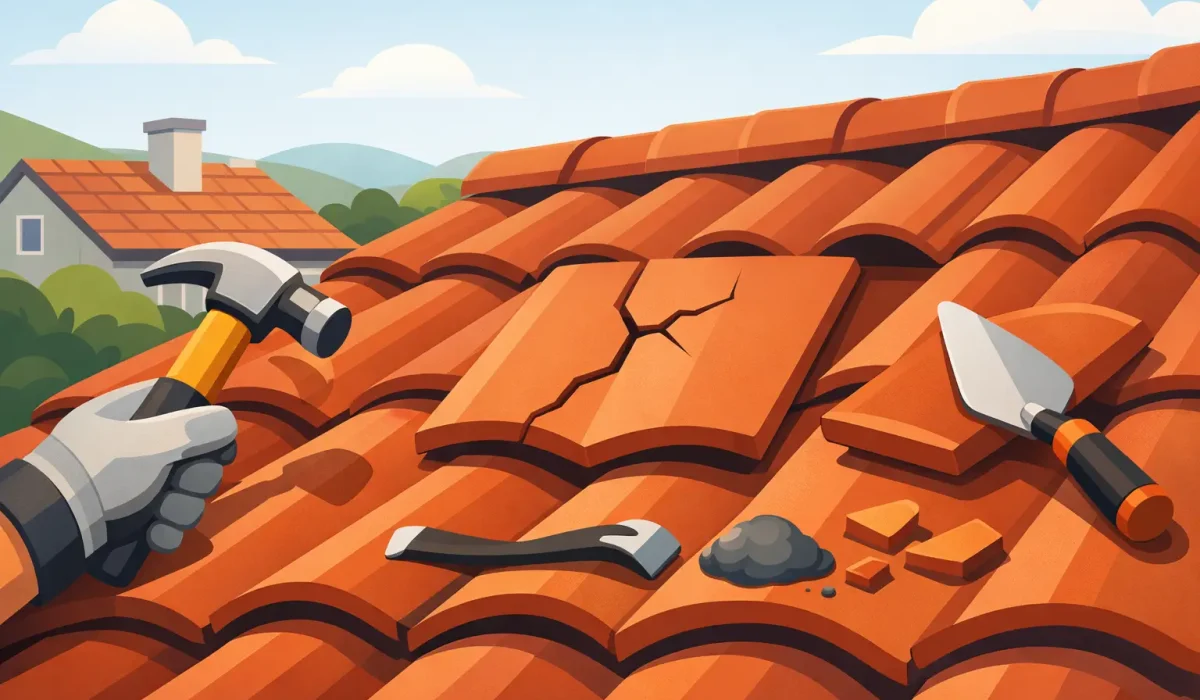
A cracked roof tile rarely stays a small problem for long. In South Florida, one broken piece can let wind-driven rain reach the underlayment, the deck, and eventually the rooms below. When property owners search for tile roof repair cracked tiles, they usually want one clear answer – fix the damage now, or risk paying for a much bigger repair later.
Tile roofs are built to last, but they are not indestructible. Heat, heavy rain, foot traffic, storm debris, aging fasteners, and shifting roof components all put stress on individual tiles. The visible crack is only part of the story. What matters is whether water has already found a path beneath the tile and whether the surrounding system is still doing its job.
Why cracked tiles matter more than they look
A tile roof is a system, not just a surface. The tile sheds water and protects the layers below from direct exposure to sun and weather. Beneath it, the underlayment plays a major role in waterproofing. If one tile cracks, that does not always mean the roof will leak that same day. But it does mean the area is more vulnerable, especially during hard rain and high winds.
This is where many owners get caught off guard. They see a small crack from the ground and assume the repair can wait a season. Then a summer storm hits, moisture gets under nearby tiles, and what started as a single damaged piece turns into underlayment deterioration, rotted decking, stained ceilings, or mold concerns. On commercial properties and multifamily buildings, delayed repairs can also affect tenants, operations, and insurance claims.
Common causes of tile roof repair for cracked tiles
Not every crack happens for the same reason. In some cases, a branch or storm-thrown debris hits the roof. In others, the damage comes from someone walking the roof incorrectly. Tile can also crack from years of expansion and contraction under intense sun, especially as the roof ages and components become more brittle.
Older roofs bring another issue into play. Sometimes the tile is not the main failure point at all. The tile may crack because the fastening pattern has loosened, the battens have shifted, or the underlayment below has deteriorated and allowed movement. That is why a proper inspection matters. Replacing one broken tile without checking the surrounding area can miss the real problem.
In coastal climates like Miami and the Keys, salt air, humidity, heavy rain, and storm cycles add wear over time. A tile roof can still perform very well in this environment, but only if repairs are handled promptly and the roof is maintained by crews who understand local conditions and code requirements.
Can cracked roof tiles be repaired, or do they need replacement?
It depends on the age of the roof, the extent of the damage, and what is happening underneath the tile. If the issue is isolated to a few cracked tiles and the surrounding materials are still sound, targeted repair is often the smart solution. A qualified roofer can remove damaged tiles, inspect the underlayment and deck, and install matching replacements where available.
If the crack is part of a wider pattern across the roof, the conversation changes. Repeated cracking in multiple areas may point to age-related wear, movement in the roof assembly, or underlayment that is nearing the end of its service life. In that case, spot repairs may buy time, but they may not be the most cost-effective long-term answer.
This is where experienced guidance matters. A no-nonsense contractor should be able to tell you whether you are looking at a repairable issue, a section repair, or a larger restoration or replacement decision. Property owners do not need guesses. They need a realistic assessment of risk, cost, and remaining roof life.
What happens during tile roof repair cracked tiles work
A professional repair starts with access and inspection. The roofer checks the cracked tile, the surrounding field of tiles, flashing details, and any signs that water has already moved below the surface. If necessary, nearby tiles are lifted carefully to inspect the underlayment and deck.
Once the condition is confirmed, damaged tiles are removed and replaced. If the underlayment has been compromised, that section needs repair as well. On some roofs, matching the exact tile profile and color can be straightforward. On older systems, replacement tiles may be harder to source, so the repair approach has to balance appearance, performance, and availability.
The key point is simple: good tile repair is not cosmetic work. It is waterproofing work. The goal is not just to make the roof look whole again from the street. The goal is to restore the roof system so it can keep protecting the structure during the next storm.
Signs the problem is bigger than a few cracked tiles
Some cracked-tile repairs are routine. Others are warning signs. If you notice ceiling stains, recurring leaks after rain, loose or sliding tiles, soft decking, or repeated breakage in the same area, the problem may go beyond surface damage. Valleys, ridges, penetrations, and flashing transitions deserve special attention because that is where water is more likely to exploit weaknesses.
Age also matters. A tile roof can last a long time, but the underlayment below it generally has a shorter service life than the tile itself. Many owners see tiles that still look usable and assume the roof has years left, when the waterproofing layer beneath may already be failing. In that situation, replacing cracked tiles alone may not solve the leak path.
For commercial buildings and managed properties, recurring patchwork can become more expensive than a planned corrective project. Emergency repairs have their place, but long-term protection usually comes from addressing the actual source of failure instead of repeating the same small fix.
Why DIY tile repair is risky
Tile roofs are easy to damage if they are walked improperly. A well-meaning attempt to replace one cracked tile can break several more, create hidden underlayment damage, or cause personal injury. There is also the issue of attachment, flashing, and local code compliance. On a roof exposed to hurricane-force weather, details matter.
For homeowners, the safest move is to stay off the roof and have it inspected professionally. For property managers and commercial owners, professional documentation also helps with maintenance records, budgeting, and insurance conversations if storm damage is involved.
How to protect a tile roof after repairs
Once cracked tiles are repaired, the next step is keeping the rest of the system in good shape. That means periodic roof inspections, especially after major storms, and prompt attention to debris impacts, slipped tiles, and visible wear. It also means limiting roof traffic to trained professionals.
Regular maintenance is not about creating unnecessary service calls. It is about catching manageable issues before they turn into interior damage, structural repairs, or a premature replacement decision. In South Florida, where roofs take a beating from heat and weather, that approach saves money over time.
A dependable roofing contractor should also help you think beyond the immediate fix. If the repair reveals age-related wear, you should know what comes next, how urgent it is, and whether financing or phased planning makes sense for your property. That kind of straight answer is part of protecting the investment, not just patching the symptom.
Bob Hilson & Company has worked with property owners across Miami and surrounding areas long enough to know that cracked tile issues are rarely just about one tile. They are about protecting the roof as a system, following proper repair standards, and helping owners make smart decisions based on condition rather than guesswork.
If you can see cracked tiles from the ground, or if a leak has already shown up inside, waiting is the expensive option. Have the roof checked, find out whether the issue is isolated or systemic, and handle the repair before the next round of rain turns a manageable problem into a major one. A sound tile roof still has a lot to offer, but only when the damaged parts are dealt with on time.